It’s rare in any case that you get to say farewell to something as thoroughly and intensely as you wish you could. This was the case for every single person on our Dialogue of Civilizations trip on July 10th, 2024. My name is Kerem, and as I begin writing this blog post, I sit on the Shinkansen (also known as the bullet train) towards Ueda, our next destination. These past 11 days in Tokyo were nothing short of magical for everyone, whether it was someone’s first or fourth time being here. Since our last day in the city was a free day, many of us took it upon ourselves to make the absolute most of the day by packing it with programming from start to finish. I myself left the hotel for the first time around 7 in the morning, and barring a short return to ship luggage to Kyoto, finally stumbled into my room around 11 at night fueled by nothing but FOMO induced adrenaline. Here’s what the rest of the gang and I got up to on our last day in Tokyo, at least for a little while:
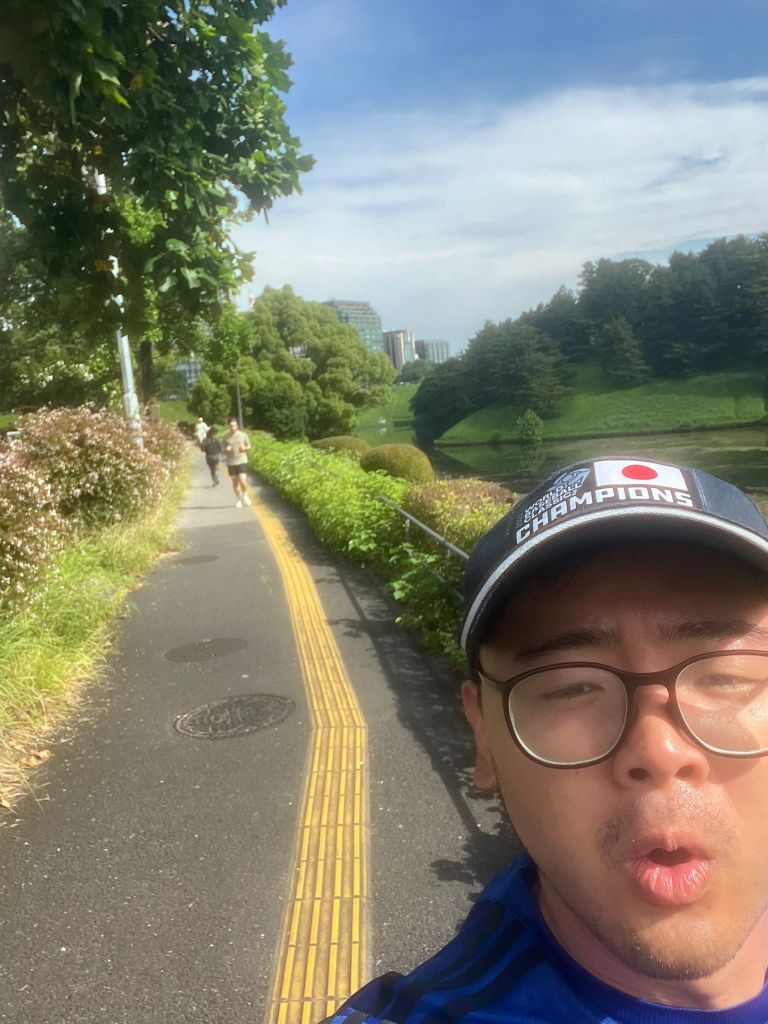
The day began bright, early, and humid at the Imperial Palace located at the heart of Tokyo. The palace is surrounded almost entirely by a swampy moat and has stone walls that wrap around its inner sanctum. Sora, our program director, and I arrived at the palace alongside several other joggers at around 7:30 AM to complete its famous jogging route. Conveniently, the perimeter of the palace is almost exactly 5 kilometers, the perfect length for an early morning workout. Sora and I held pace pretty for the first 4 kilometers as we chatted about the history of the castle. During the Edo period (which ran from 1603-1868), modern day Tokyo was known as Edo, also the capital of the country during the Tokugawa shogunate. During World War 2, the palace suffered significant damage but was rebuilt during the postwar period. Today, it holds immense symbolic importance and represents Japan’s transition away from feudalism, and is still home to the Imperial family. During the last kilometer of our jog, however, the humidity from the moat combined with the heat of the city convinced us to take more of a leisurely stroll back to Tokyo station.
The group met up briefly in the lobby of the hotel to fill out our luggage shipping slips so that our large suitcases could be delivered straight to Kyoto for us. This service, also called Takuhaibin, is a relatively affordable way to get belongings from place to place without having to do all the hard work yourself, and was perfect for us as we took our multiple day excursion across several prefectures.
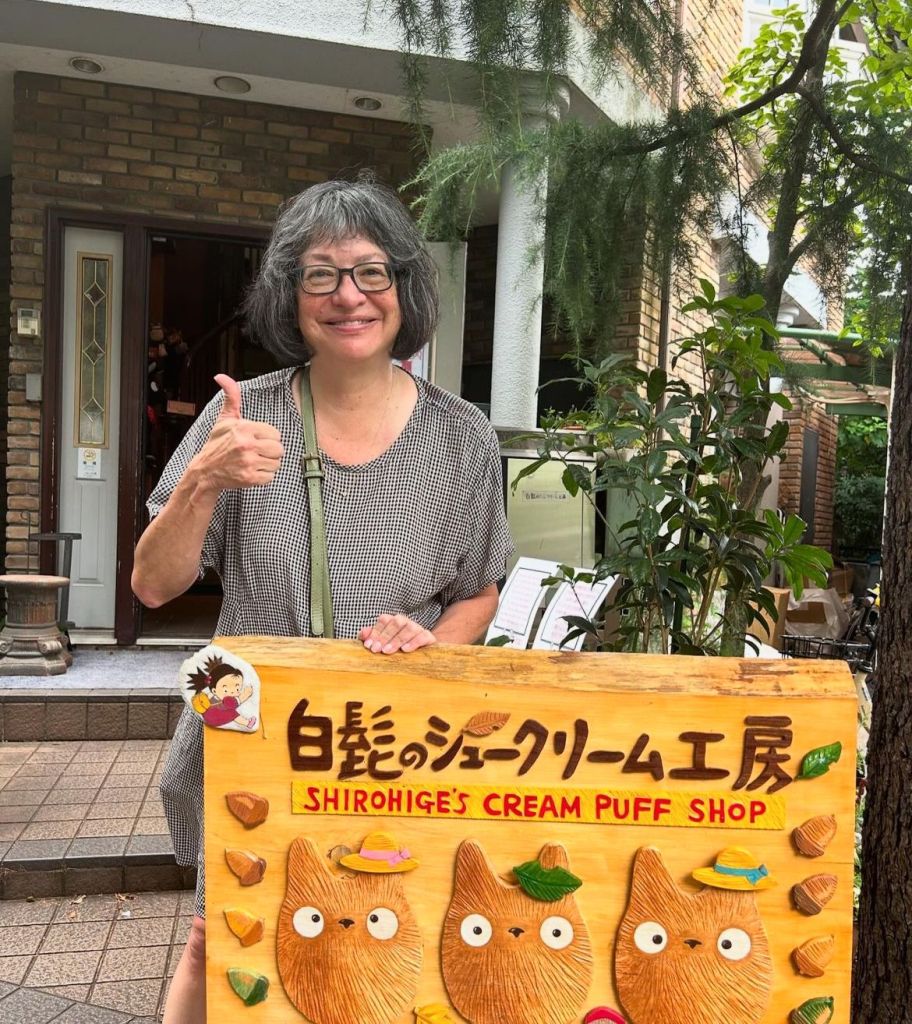
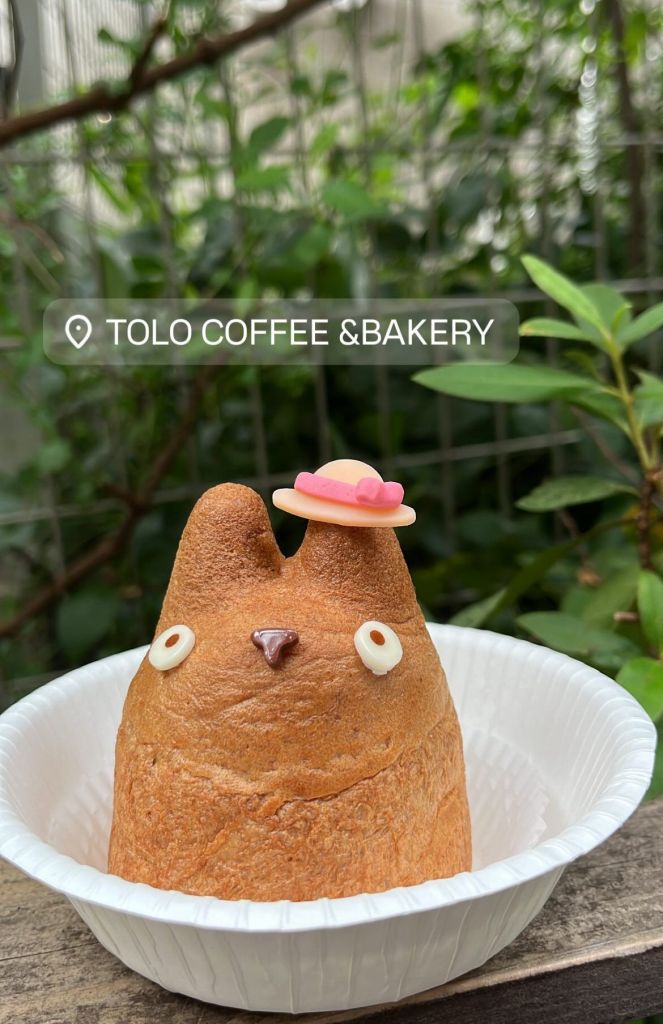
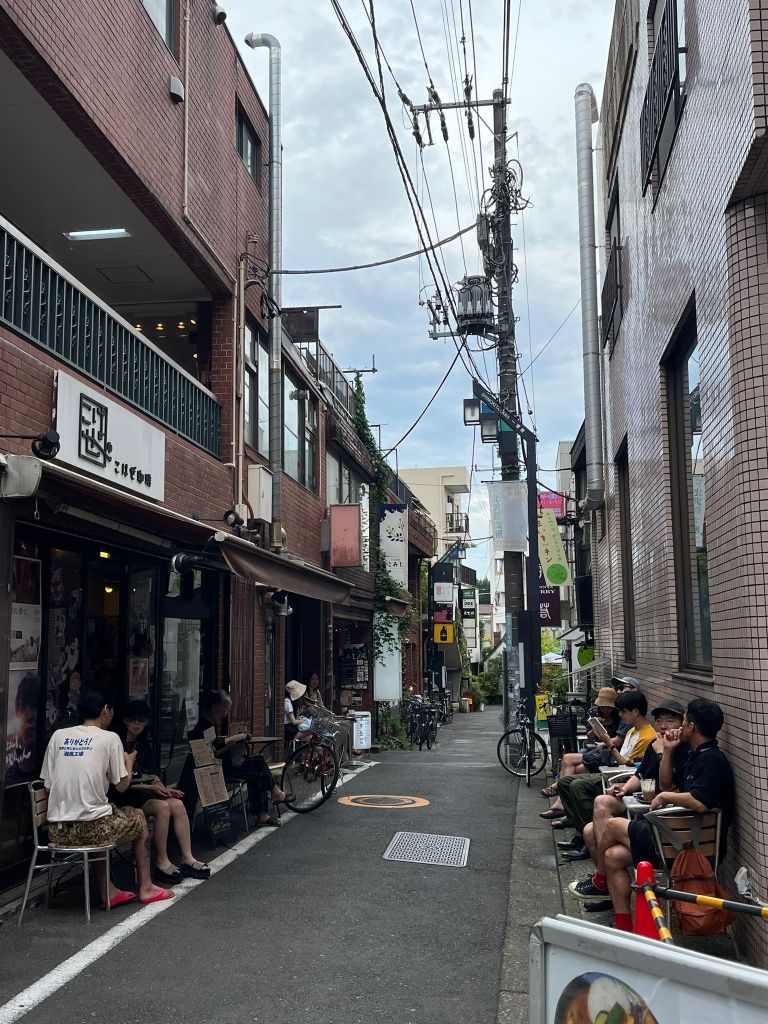
The first stop on many people’s journeys (including Professor Ito’s!) was Shiro-Hige’s Cream Puff Factory. This unassuming cafe, tucked away in the corner of a narrow residential neighborhood, overgrowing with luscious greenery, and quite literally across from a daycare, is home to one of Japan’s most famous treats. Inside, every corner of the cafe is detailed with decor inspired by the works of Studio Ghibli, a globally recognized animation studio. My classmates and I squeezed into the small store and peered through the glass of the counter starry-eyed at what we had journeyed for: Totoro shaped cream puffs! We had arrived just in time to sell them out of the mango filled puffs for the day, and purchased several others including blueberry and custard filled puffs. We stepped outside to not crowd the already cramped bakery and devoured our cream puffs, shedding a few tears at the loss of the beautiful confectionery artwork and the passing of several Totoros. We all agreed, however, that the sacrifice was well worth the rich creamy flavor of the puffs. The pastry was soft like clouds made of butter and tore away easily during the first bite, and since we all decided to start eating Totoro by his head, we were also treated to about three crunchy bites thanks to the cookie hat he was wearing. What remained was the molten core of custard that had the perfect balance of sweet, cold, and milky to bring the pastry comfortably into my top 3 desserts I’ve ever eaten. I’m sorry to say that Totoro didn’t last much longer after that.
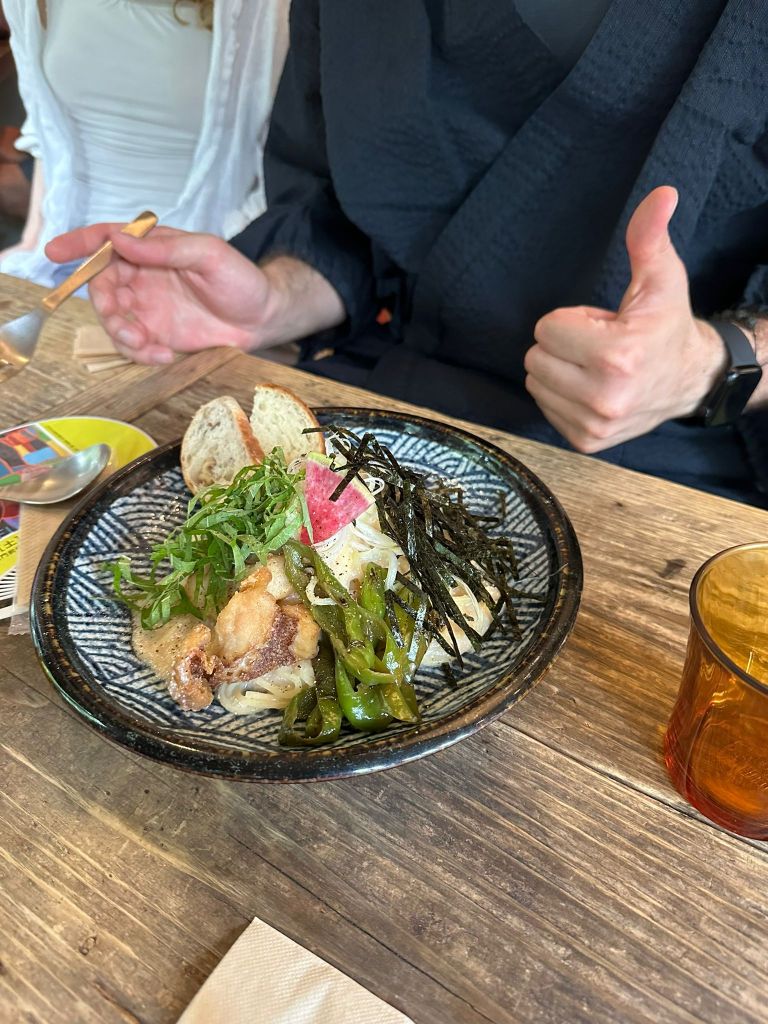
With our cream puff appetizer complete, we made our way upstairs to the brunch cafe that resided on the top floor of the building. The first thing we thought of when we looked at the menu was the bingo square “non-japanese food with japanese sensibility.” The menu item that read “pasta with deep fried fish” presented itself as more of a bouquet of flavor than what the text described. A bed of thin noodles coated in roe that disguised itself as parmesan sat confidently at the center. Sprinkled around it were strips of thinly sliced nori, string beans, and a few pieces of pickled radish that danced colorfully between the other ingredients. Atop the masterpiece sat a handful of the aforementioned fried fish that had a level of crisp somewhere between tempura and a wet rice cracker. The overall experience was a pleasant one and left me with an association between fish eggs and animated movies that I did not predict on making when I walked into the cafe.
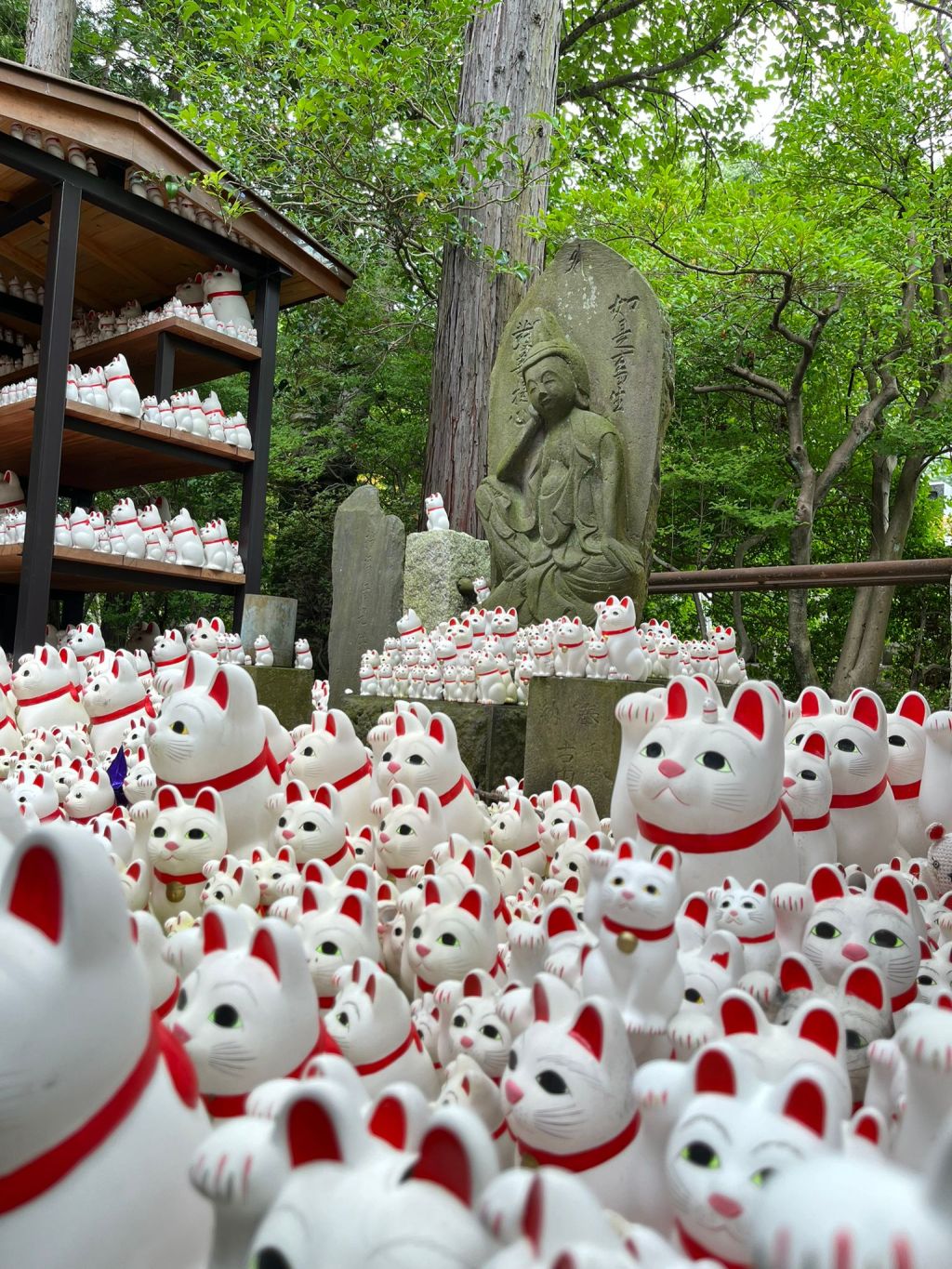
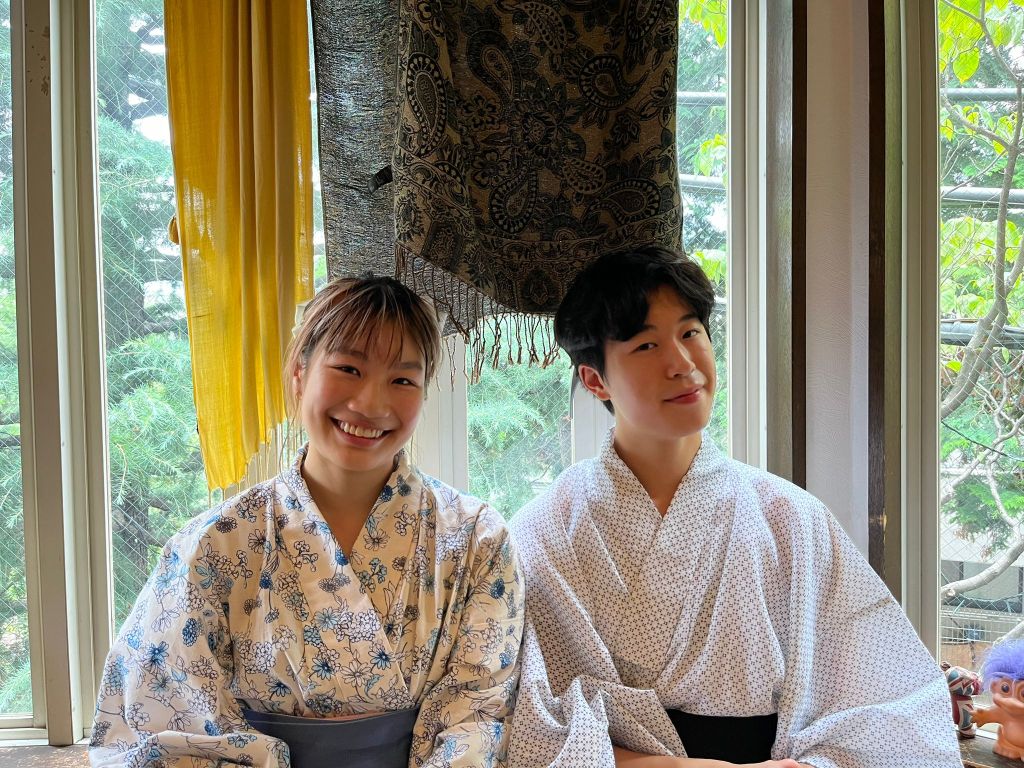
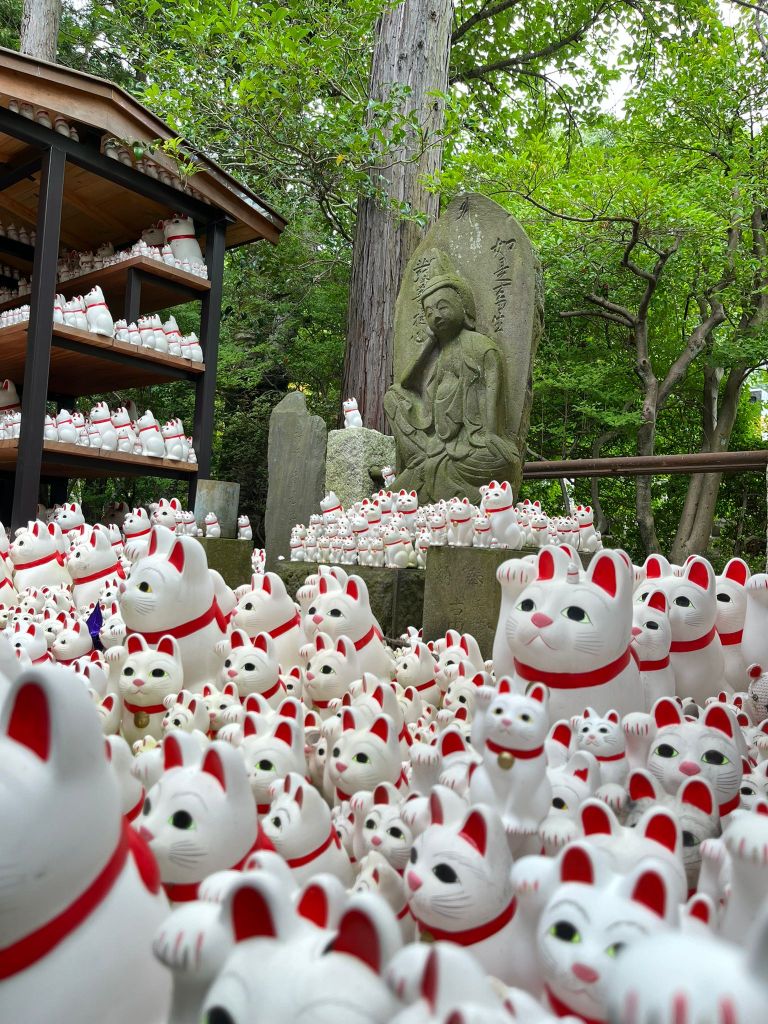
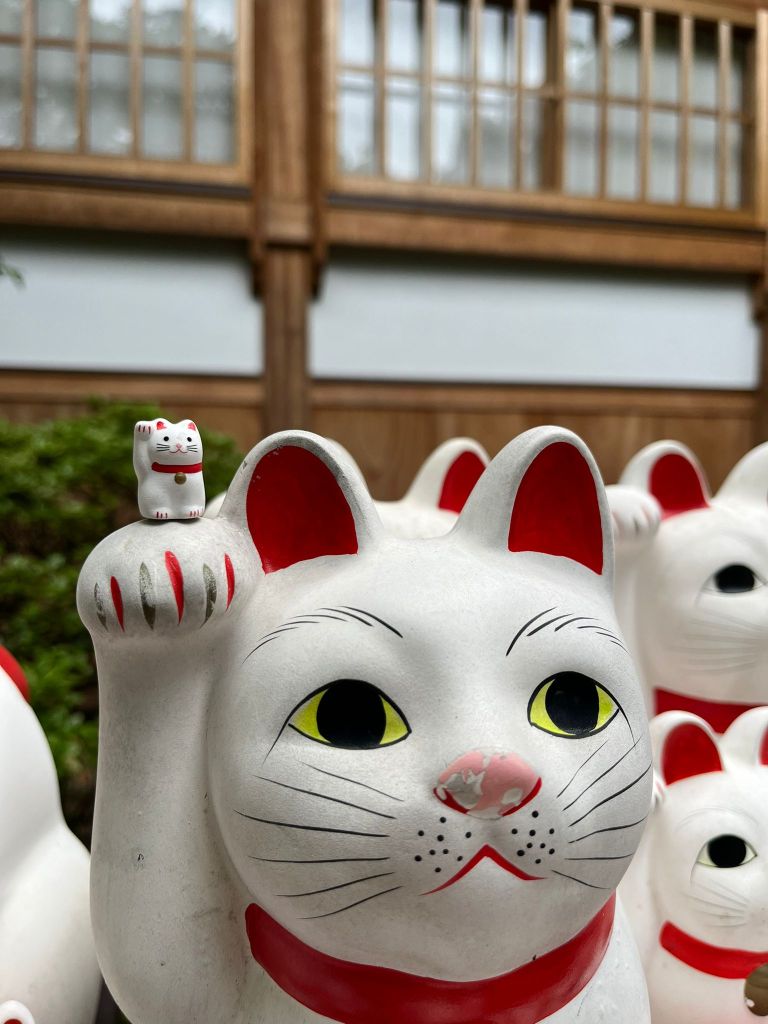
The next stop for our free day was a very spiritual location for which a few of our classmates came prepared, dressed in yukata, unlined cotton kimonos traditionally worn during the summertime that they had acquired from a local fabric store the day before. We made our way through more residential neighborhoods and finally arrived at Gotokuji Temple in Setagaya. This temple was founded in the 15th century and is known as the birthplace of a renowned Japanese figure: the maneki neko, also known as the “beckoning cat.” The main building of this shrine is surrounded by thousands and thousands of maneki neko figurines, all of which are believed to be bringers of good luck. The legend of the neko comes from the Edo period, during which a cat is believed to have beckoned a feudal lord or samurai into a nearby temple during a storm, thereby saving his life. The symbol was then created to bring a similar fate-changing fortune to all those who keep it around. By the 20th century, it had become a prominent figure in shops, restaurants, and homes. At the gift shop, I picked up the tiniest version of the charm (my personal favorite) for 500 yen, as well as a copy of the temple’s goshuin, a piece of calligraphy that represents its identity. My intention when purchasing this keepsake was to never forget the sheer joy I felt when I realized that the larger figures had tinier nekos resting on their heads or paws like younger siblings.
Our day continued into Shimokitazawa, Tokyo’s vintage thrifting district. Narrow alleyways lined with spray paint murals and multi-floored stores packed to the brim with anything from paint-blotched overalls to patchwork denim and leather jackets to dolphin shaped body sponges sprawl in all directions in this part of the city. We strolled through for a while grabbing bits and pieces of clothing that would eventually become full outfits over time. We took a short stop at another cafe, one that specialized in parfaits, and ordered a strawberry ice cream one. It came in a glass similar to one that would contain a root beer float, layers of ice cream and strawberries stacked on top of each other like a wedding cake. Along the rim of the glass sat a field of corn flakes that added to the complexity of the parfait’s texture, giving it some much needed crunch. On top of those was the final scoop of ice cream and the last straggling strawberries placed neatly around a wafer roll, as if they had submitted a mountain and placed a flagpole on top.
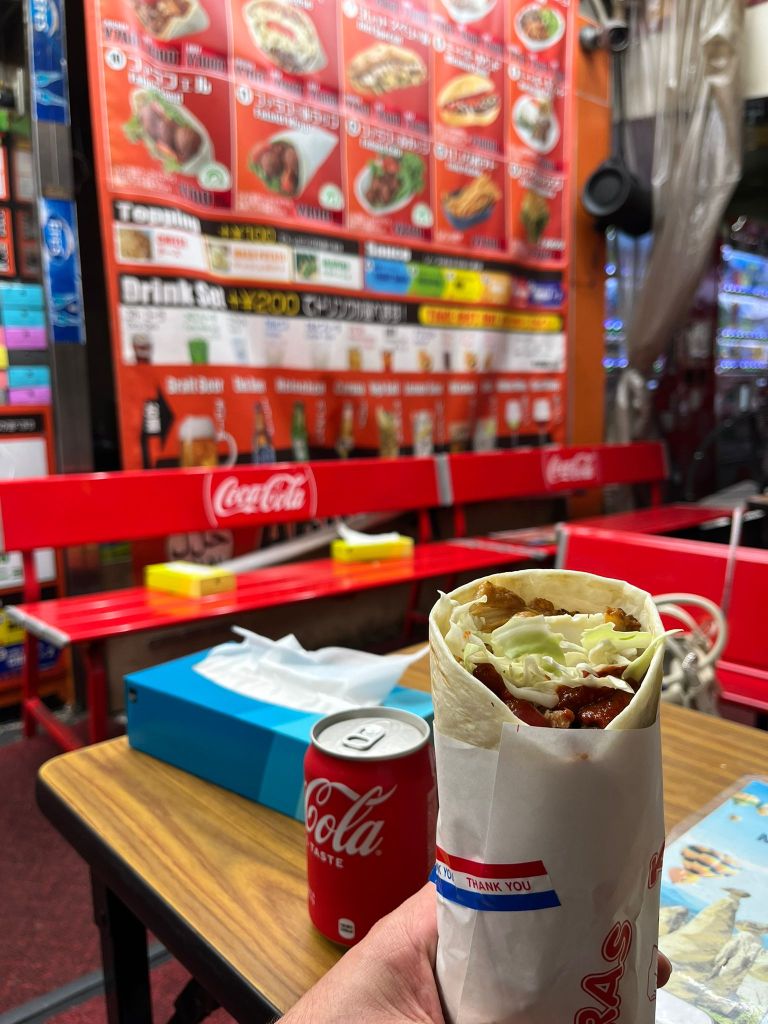
The last stop of the day was at Ueno park. We strolled for a while as the sun set behind fields of lotus, ponds of koi, and clouds of storm that were eager to dump their contents onto us after the last of the day’s light left the sky. We took pictures under the park’s famous wind chimes and in front of the Ueno Toshogu shrine that was near the center of the park. Strolling around afterwards for dinner, we ended up at a streetside Turkish Kebab restaurant, which actually served as a much needed nostalgic meal between all the dietary adventures we’ve been having for the past few days. I ordered a shawarma wrap with chicken and beef and asked them to make it as spicy as they could. Forgetting the power of Turkish chilis, I also had two cans of Coke that they gave us free of charge to fight the fire in my throat. More interesting than the food was the conversation I was able to have with the store owner. As it turns out, the man had originally come to Japan as a tourist in 2020 and ended up being trapped here due to the total shutdown of travel during the Covid-19 pandemic. As he ran out of funds, he was left with no choice but to start finding a way to make money. As most Turkish people do, he resorted to selling the food of my homeland. Seemingly, this is the case with a lot of Turks in Japan. As I’ve chatted with many other Turkish restaurant owners throughout Tokyo simply out of curiosity, most of them have mentioned how there is an overrepresentation of our country in the food industry relative to the actual population of Turks in Japan. It was bittersweet in that I felt sad for this man and how hard it must be for him to be away from his family for so long, but also found a weird comfort in the fact that his heritage is what’s keeping him fed and financially stable, even this far from his homeland.
New adventures await in Uedo and beyond today!


 Japanese Food Bites: Indulging in the Taste of Summer
Leave a reply to Jared Young Cancel reply