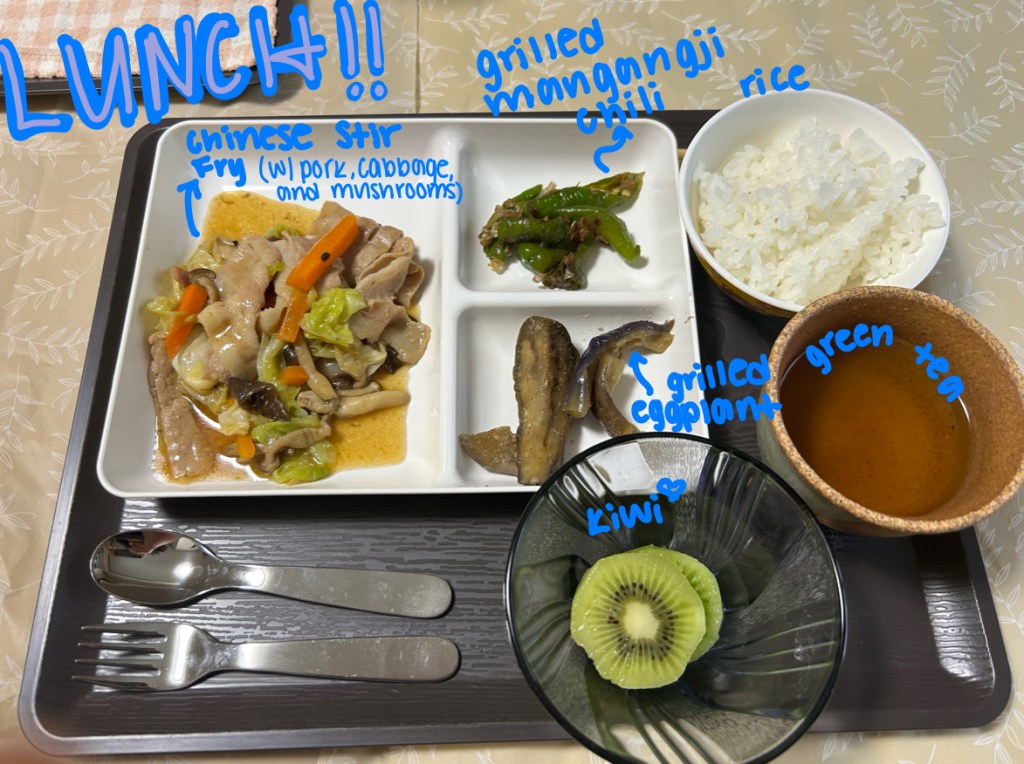
Hi, it is Jayden Hawkins again! On July 21st, some people in our group woke up early and went to the Temple Flea Market. Perhaps the early bird got the worm but I rested for longer, which was amazing! Once our group came all together, we took the train and headed to our first destination: a Kodomo Shokudo called Kurara-an which is operated by the NPO Reframe in Kyoto City, Enmachi.
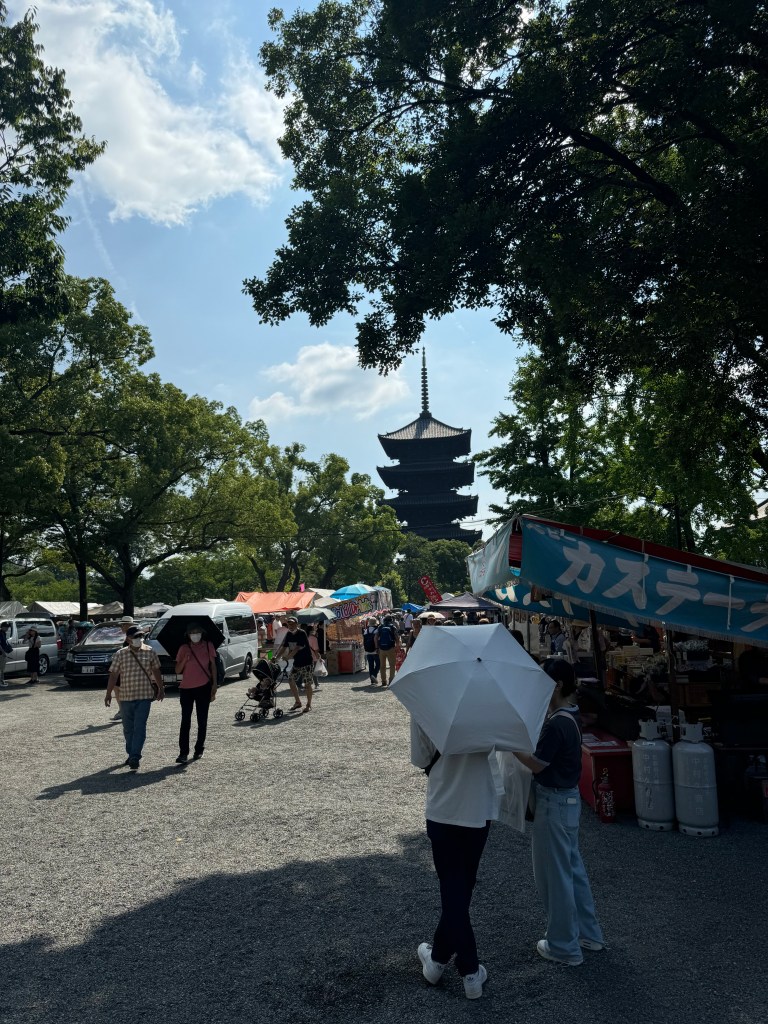
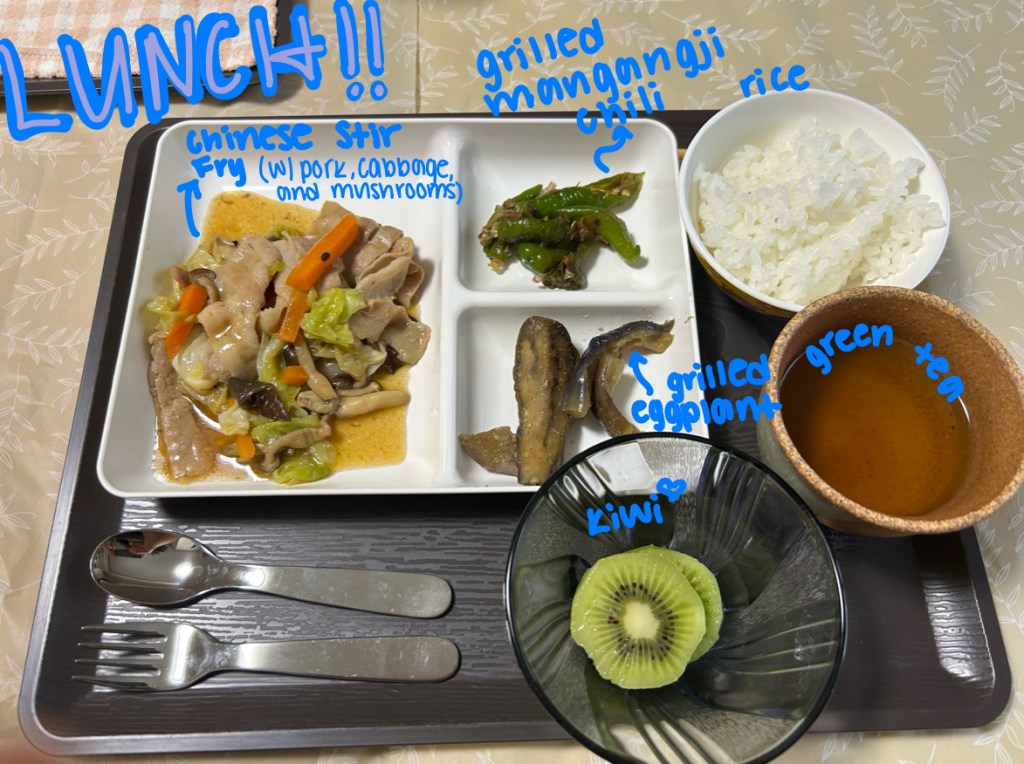
When we first arrived at Kurara-an we split into groups and they kindly offered us lunch. The lunch consisted of grilled eggplant, grilled manganji chili, rice, and Chinese stir fry with pork, cabbage, and mushrooms. When I walked into the home, I saw the people who worked their cooking diligently with care and effort. In addition to the deliciousness of the meal, the love that went into making the dishes left me fulfilled and brought warmth to my heart and stomach.
You may be wondering what a Kodomo Shokudo is. As mentioned in the title, Kodomo Shokudo’s translation means “children’s cafeteria,” however there is much more to the meaning. It is not uncommon for people in Japan to face financial struggles, isolation and loneliness, are outcasted because of a disability, or refuse to go to school for various other reasons. A Kodomo Shokudo is supposed to be a place of comfort and refuge. These places will provide affordable meals and encourage community and togetherness. At the end of our lunch, we spoke with the director of Reframe, Miho Asakura. Miho-san explained to us the purpose of Kurara-an: to make sure that people do not feel alone and can come to a safe, comforting place. Kurara-an is open from 11 am to 4 pm and their meals cost 100 yen (~64 cents) for kids up to middle school and 300 yen (~1.91 dollars) for adults in high school and up. Kurara-an not only provides affordable, healthy, and nutritious meals for the local community but also provides learning opportunities. Kurara-an offers a program for school refusers during school hours on the weekdays. School refusers have recently become more prominent in Japan and they are students who do not go to school for reasons such as bullying and violence.
Reframe is a registered NPO so they can obtain funding from the government as well as welfare programs or national and local businesses. However, Reframe also collects donations! If you are willing and able to support the work of Reframe then you can donate with the link below as well as explore their website. I am sure they will love the support and the spreading of awareness about Kodmo Shokudos in Japan.
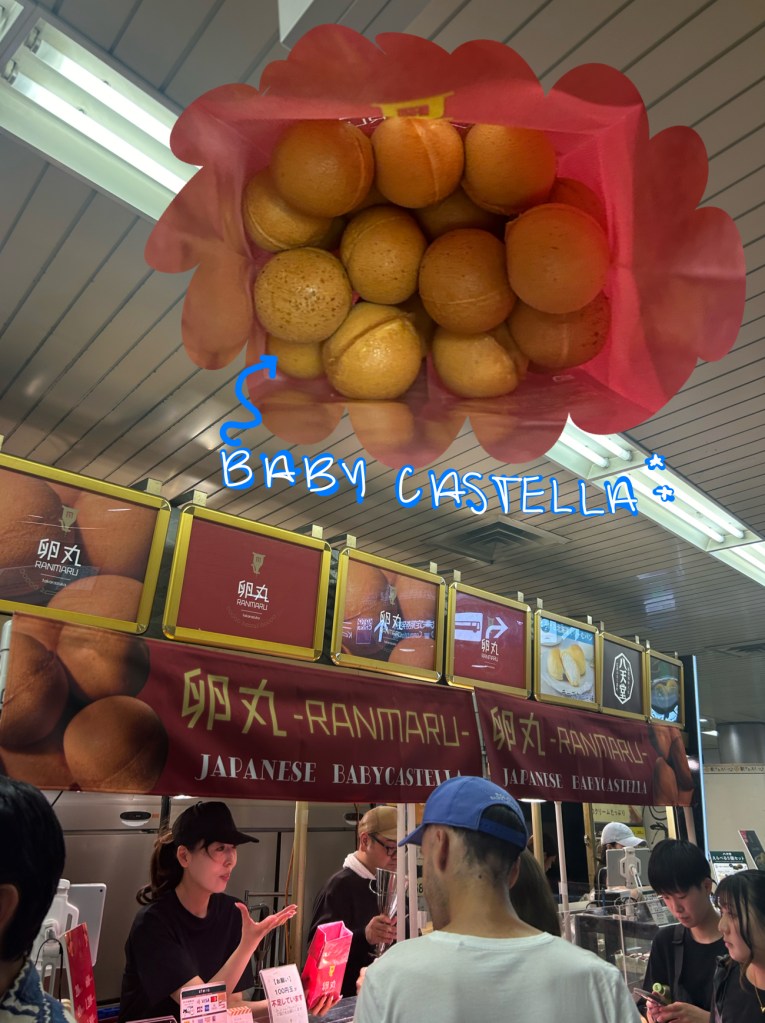
After visiting Reframe, we all headed to Kokoka (the Kyoto International Community House) to have classes. One thing I love about the community house is the cafe inside which sells the best banana juice (more like a smoothie). The juice has no artificial flavoring and has some hidden banana clusters throughout. After we were done with classes we all headed our separate ways. Shirley, Kelly, Frederick, Professor Ito, Dr. Young, and I took the train to Kyoto Station. After we got off and headed up the stairs, an immense aroma of hot, fresh dough or cake filled the air. We all instinctively follow our noses to a shop right near the stairs. “Japanese Baby Castella.” We all tried the fluffy castella that was not dry but would easily dissolve on the teeth. As Frederick described the castella, “It’s so springy that it bounces back.”
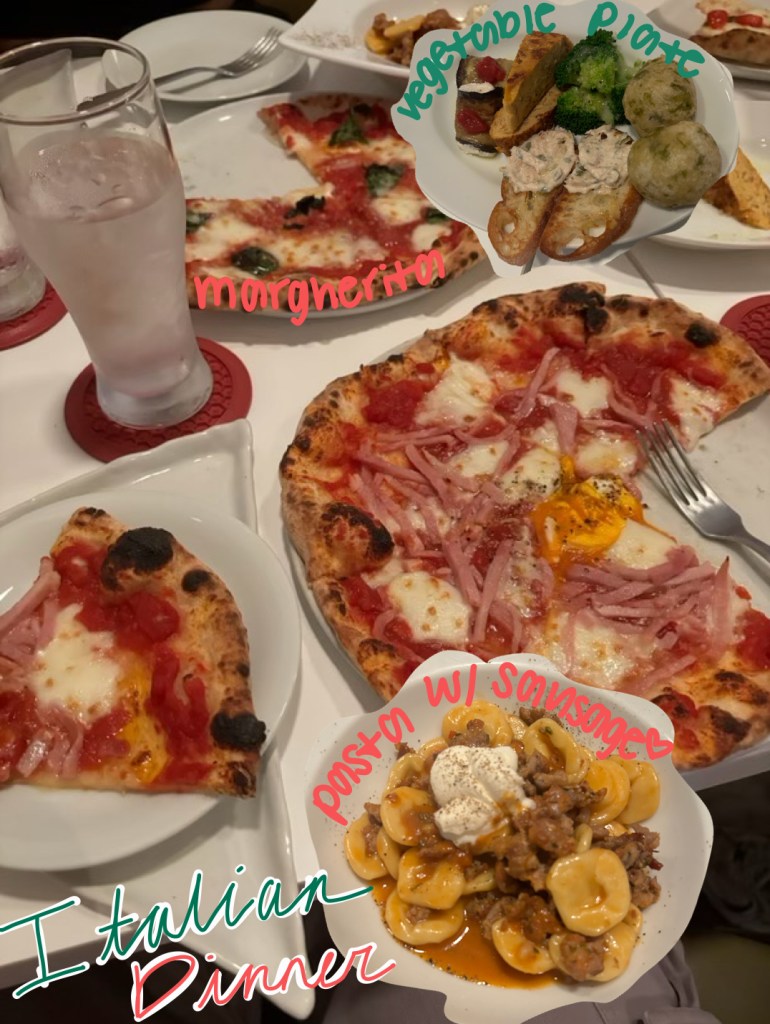
To end the night, Gillian, Shirley, Professor Ito, and I all ate at an Italian restaurant called Goichi Pizza. The restaurant was filled with bright colors and was small and cozy. I had my go to pizza: margherita pizza. The pizza dough was light and the basil was refreshing enough for me to almost eat the whole thing. We also ordered some vegetables and pasta with sausage. After our stomachs were heavy and full, we headed back to the hotel. But of course, we can never end a day without going to the conbini and indulging in one of our favorite sweet treats. I love the Häagan-dazs caramel crispy sandwich which is only available in Japan. Oh how I will miss the conbini.
Today was eye-opening for me. I believe that we can all carry Kurara-an’s values into our daily and career lives. Kurara-an not only values the joy in people, individuality, independence, and respect but also embraces our differences and fosters self-esteem.


 Japanese Food Bites: Indulging in the Taste of Summer
Leave a reply to satsumaart Cancel reply