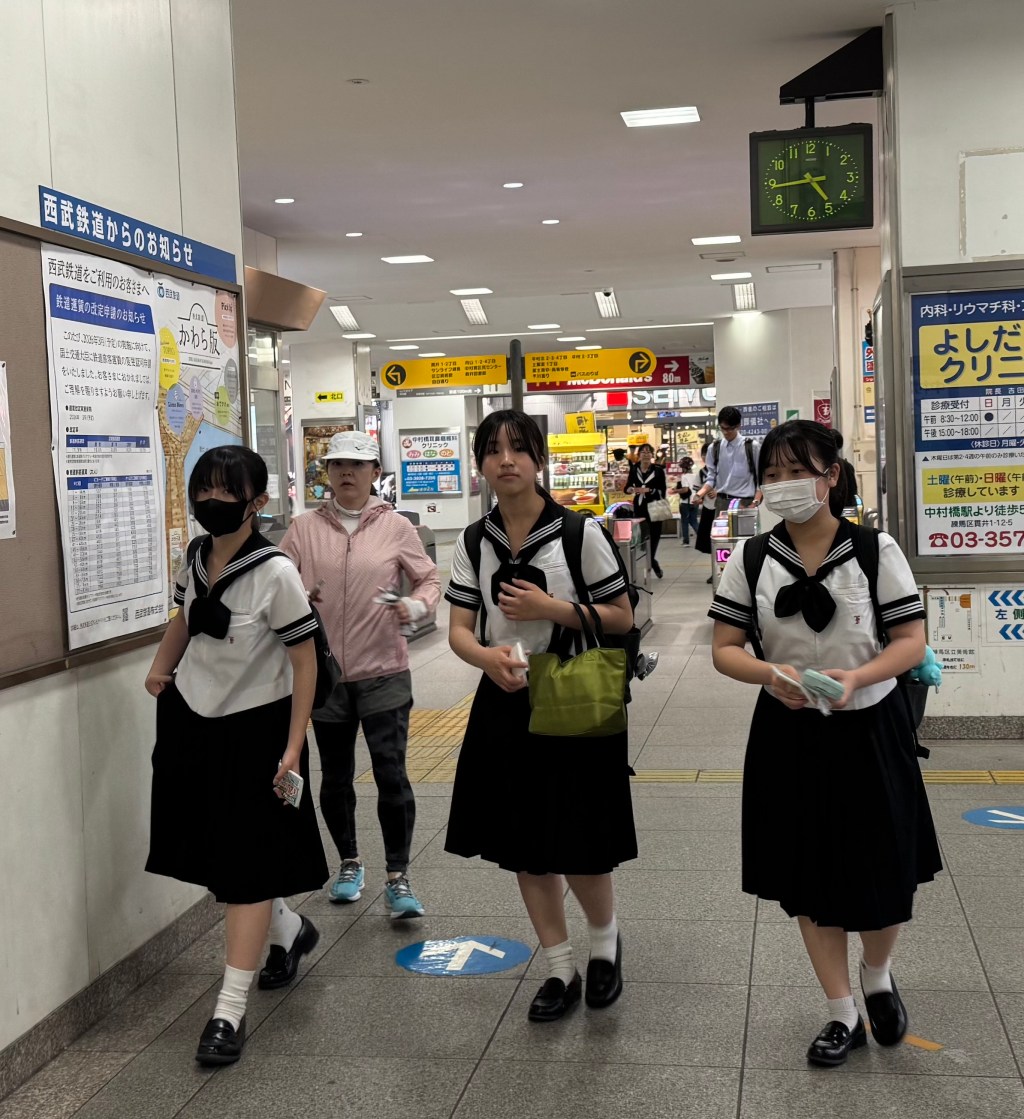
Today we had the pleasure of becoming acquainted with Brandon-san and Kulumi-san, who revealed a side of Japan that many outsiders, like myself, may never see. Through our conversation, we were introduced to the quiet but powerful force of conformity within the Japanese school system. From an early age, children are taught to align with societal expectations, often at the cost of their personal creativity and self-expression.
Brandon-san, who comes from a mixed-race background, spoke openly about the pressures he faced growing up. School, for him, was not a space of discovery, but one of oppression. Education isn’t legally mandatory in Japan, meaning that students can choose at any time to leave, for any reason. After struggling with the social pressures, Brandon-san made the radical decision to leave the system altogether at age 15. Initially, he pursued music—hoping to ignite change through rock and roll. When that dream didn’t work out as planned, he turned to food as a new medium of expression, focusing on pre–World War II Japanese cuisine. His goal was to restore authenticity and emotion to everyday life by encouraging people to think and feel through what they consume. “You are what you eat,” he told us. His rejection of conformity wasn’t just about education, it was about trying to reclaim his holistic identity.
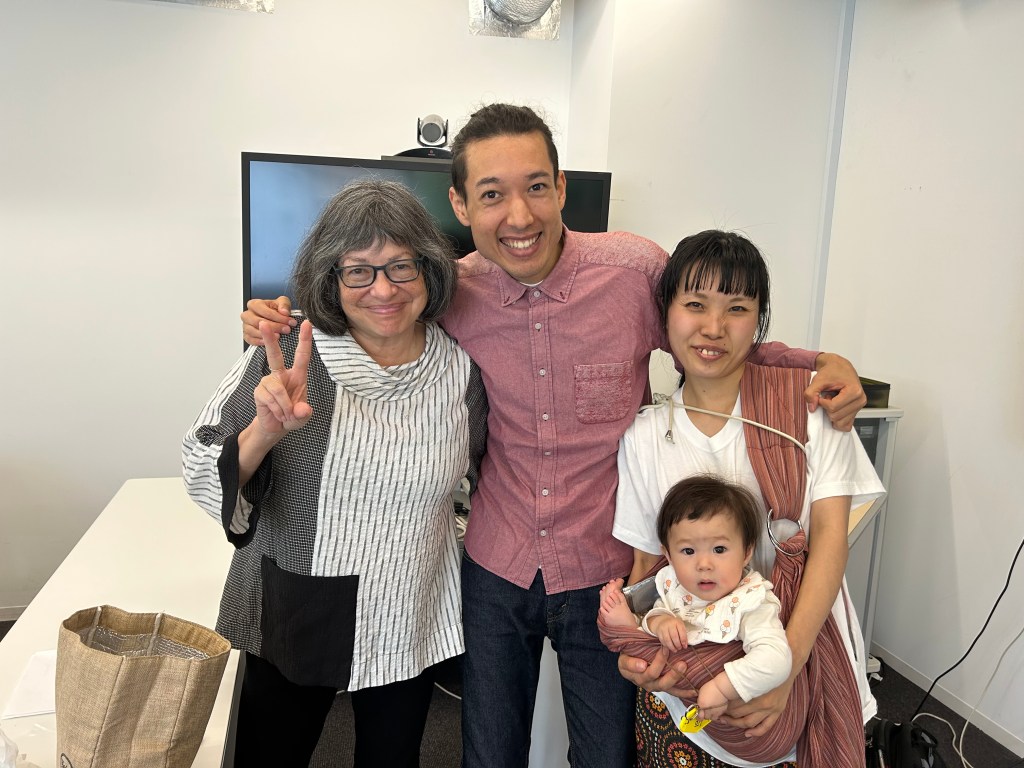
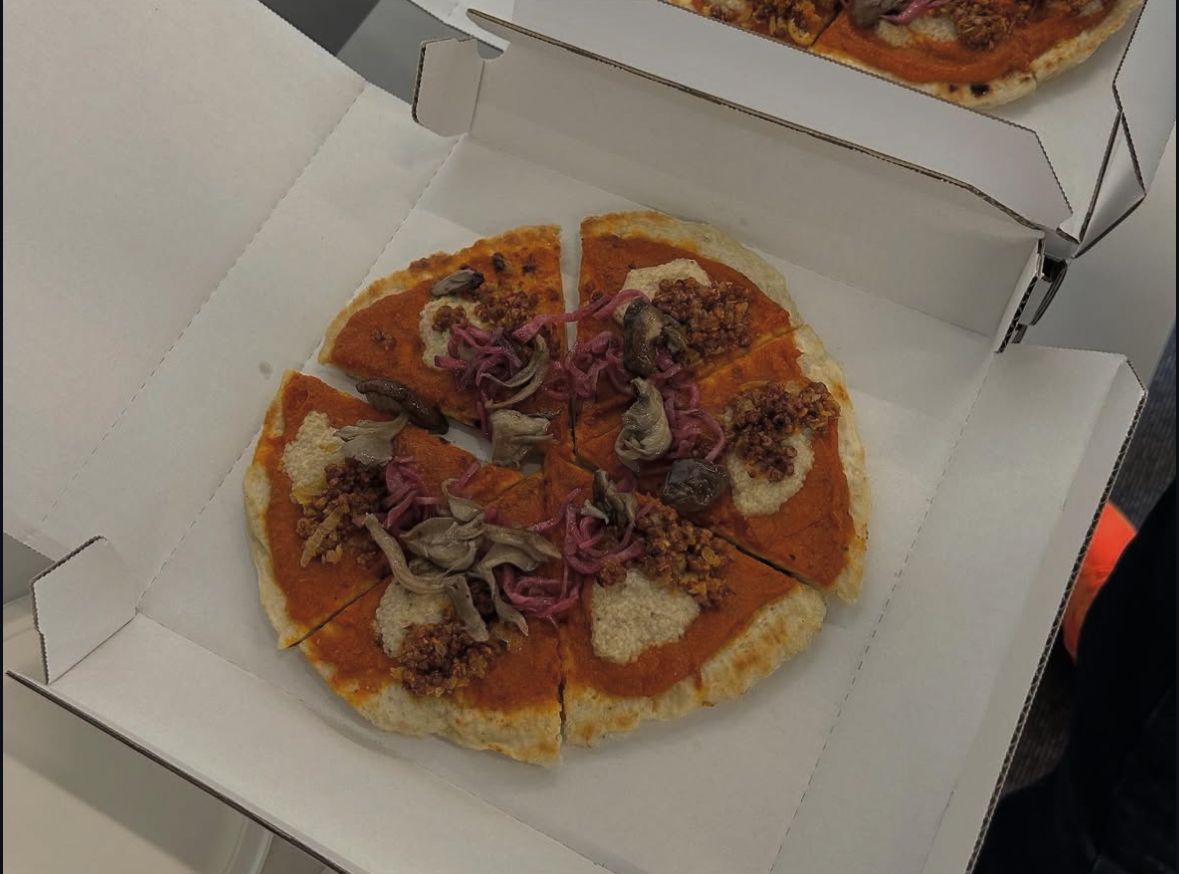
Professor Ito, with Brandon-san and Kulumi-san, and Tiga (Vegan Pizza)
Our program manager, Sorata, added another layer to the conversation. He explained how Japanese schooling is often geared solely toward passing university entrance exams, the equivalent of a national SAT, but far more challenging. This system, he said, doesn’t encourage free thinking; it trains students to become efficient workers. The process of conforming doesn’t end with graduation it carries through to adult life in ways that are deeply ingrained.
What’s most surprising is that, on the surface, Japan doesn’t immediately appear this rigid. Walking through Ikebukuro, I see girls dressed in frilly skirts and platform boots, with their clear skin smiles and perfectly applied eye makeup. From an outsider’s perspective, self-expression seems to shine through in how people dress and carry themselves. Additionally there’s an overwhelming sense of kindness and warmth in the people I’ve met.
It’s hard to apply what we’ve learned, about how Japan is a country of both beauty and boundaries, openness and secrecy, a place that holds much of its true self behind closed doors.


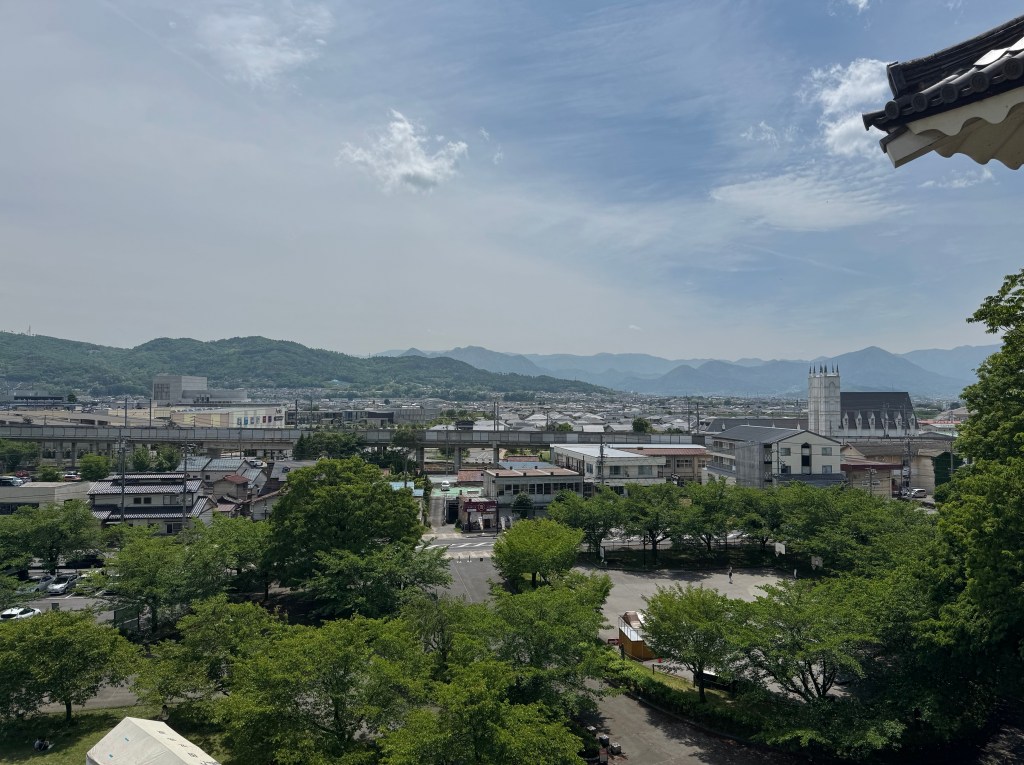
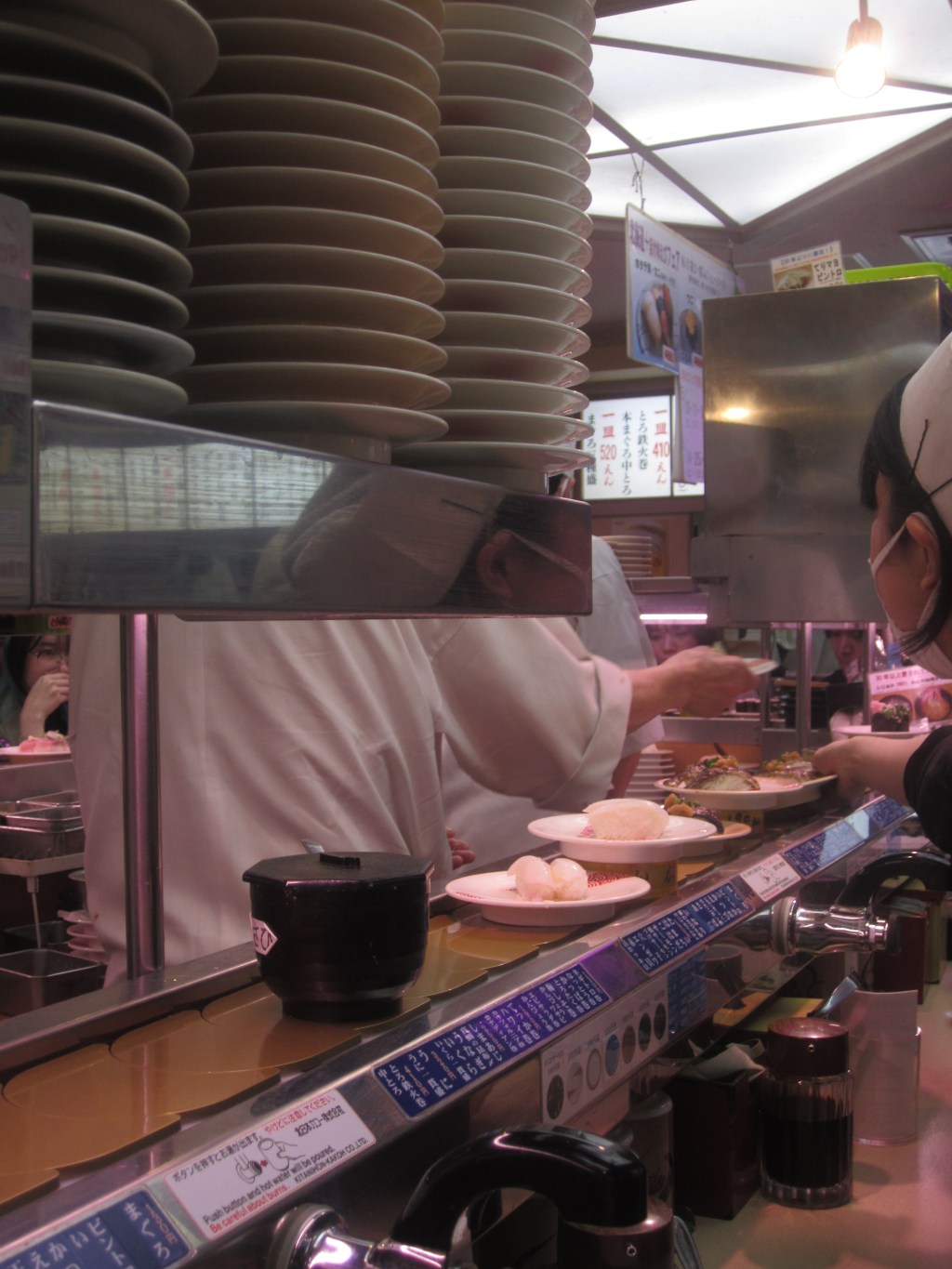
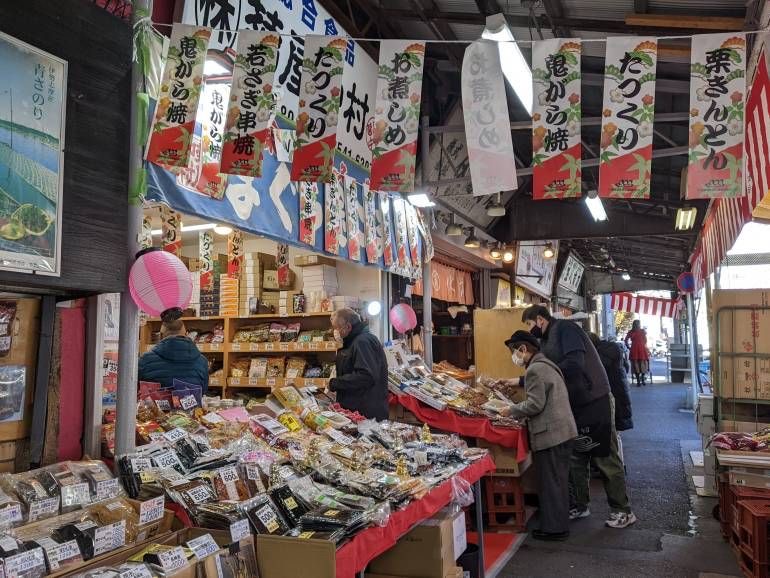
 Japanese Food Bites: Indulging in the Taste of Summer
Leave a reply to devotedly46719f0abd Cancel reply