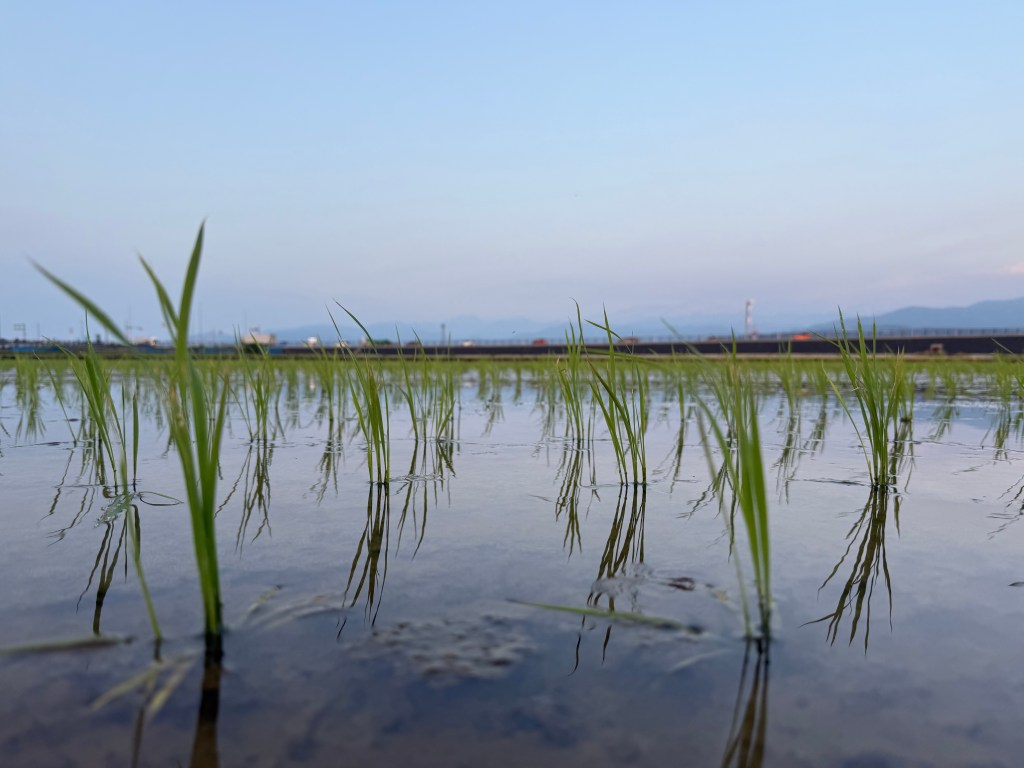
Today, our journey took us back to the city of Ueda, nestled in the heart of Nagano Prefecture. We had the unique privilege of holding class at Shinshu University, where we were welcomed not only by the serene campus atmosphere but also by a special guest lecturer: Sensei Tomoaki Horie—or “Tomo san,” as he warmly introduced himself.
Tomo san is a true expert in the world of rice. His work focuses on cultivating and conducting research on different strains of rice plants. Currently, he’s tackling a critical challenge faced by rice farmers across Japan: salt stress in the soil. With the rise in global temperatures, water sources are increasingly evaporating. The excess evaporation causes the salt in the soil to become more concentrated and rise to the surface. This salinity can be devastating for rice crops, which are particularly sensitive to such conditions
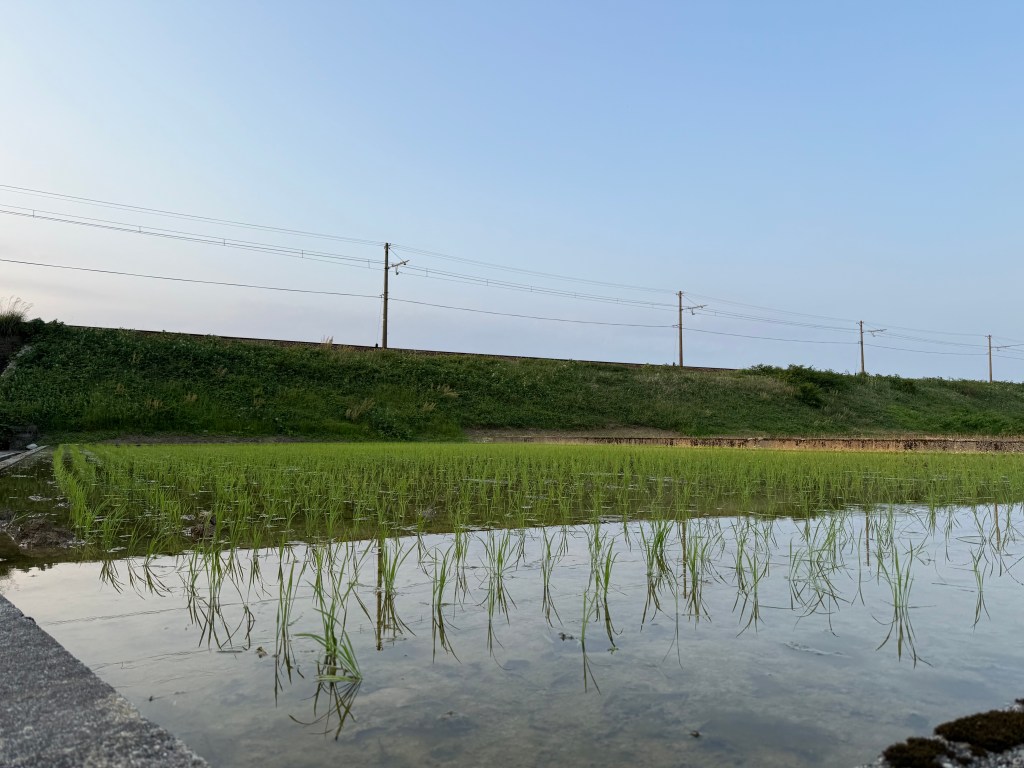
To combat this, Tomo san is experimenting with crossbreeding two promising varieties of salt-tolerant rice in the hopes of producing a more resilient “super plant.” His goal is to help farmers grow rice as less-than-ideal conditions become more common, securing both livelihoods and a key element of Japanese cuisine and culture.
He also shared the deeper cultural significance of rice in Japan. More than just a food staple, rice is considered the foundation of nourishment, energy, and even tradition. Rich in starch, rice is an efficient energy source that has fueled generations of Japanese people both physically and spiritually. Listening to Tomo-san speak about his work and the role of rice in society added a meaningful layer to something as seemingly simple as a bowl of white rice.
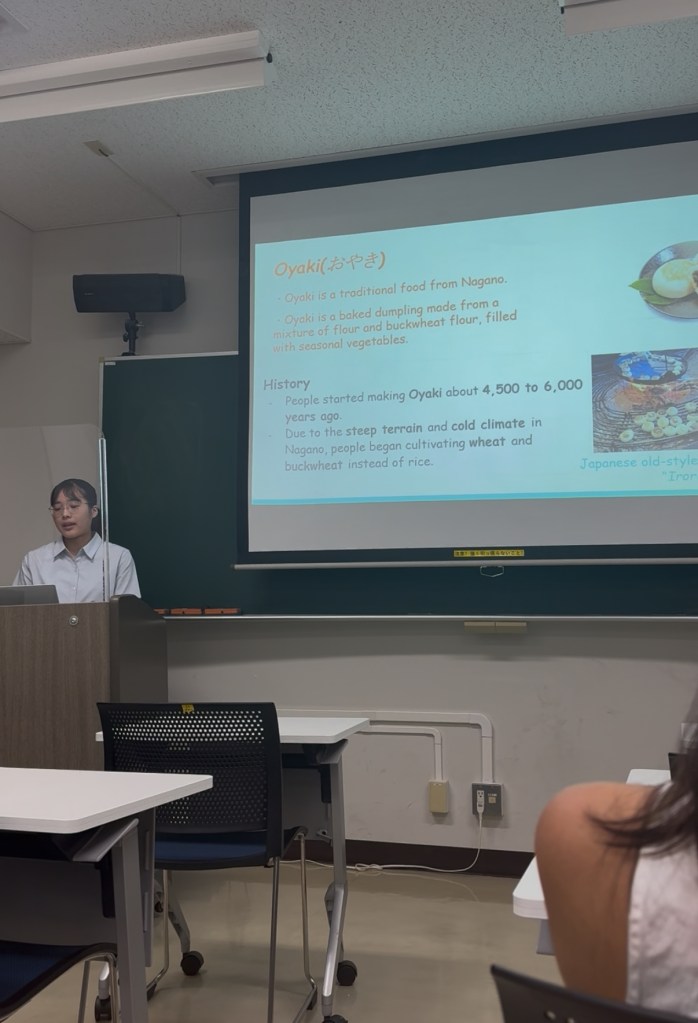
Following the lecture, we had another memorable experience—interacting with five local university students who gave short presentations on their favorite Japanese snacks and dishes. Each student spoke with enthusiasm and humor, describing the unique textures, flavors, and memories tied to their chosen treat. As they spoke, we eagerly made mental notes of which snacks to try later at the konbini.
To our delight, we didn’t have to wait long. At the back of the room, an array of traditional Japanese snacks had been thoughtfully arranged for us to taste. Among them were dango and mochi, both rice-based treats. Dango, made from a mix of rice flour and glutinous rice flour, had a pleasantly chewy, slightly sticky texture. It was typically served on skewers and topped with a sweet soy sauce glaze. Mochi, on the other hand, was soft and stretchy on the outside, with fillings ranging from sweet red bean paste to creamy matcha.
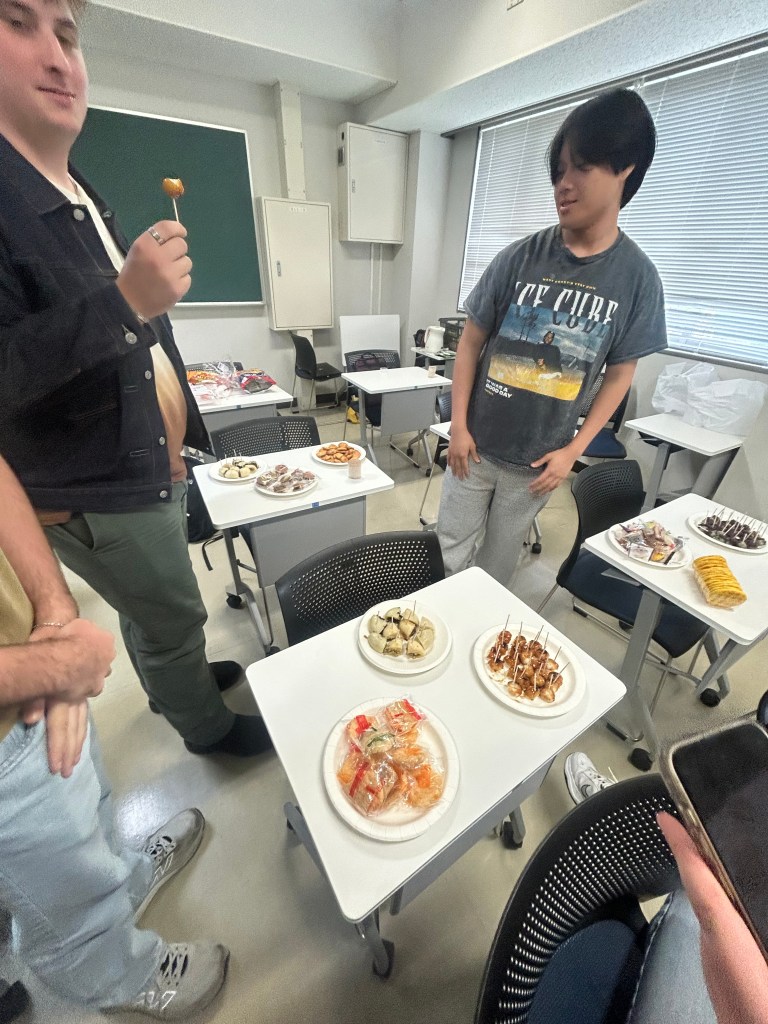
I chatted with Coco afterward, and she said the soy-glazed dango was her favorite because she “loved the sticky, chewy texture.” Personally, I was drawn to the senbei—crispy rice crackers that came in flavors like seaweed, wasabi, soy sauce, and my personal favorite: curry. The crunch of the cracker combined with the subtle heat and spice of the curry was unlike anything I’d ever tasted. I am now on the lookout for the curry senbei at the next konbini I’m at.
As we snacked and chatted with the local students, comparing American and Japanese favorites, it felt like more than just a cultural exchange—it was a shared experience through food, memory, and curiosity. This experience reminded me how food—especially something as simple as rice—can connect people across generations and bring people together. From Tomoaki Horie sensei’s groundbreaking research to the heartfelt presentations from the local students, each containing rice. I now have much respect for rice and the identity and community role it plays in Japan.


 Japanese Food Bites: Indulging in the Taste of Summer
Leave a reply to YukariSakamoto Cancel reply